Dense cakes, flat cookies and stubborn bread are rarely bad luck. Most common baking mistakes come down to measuring, oven heat, pan size and timing, and each has a simple fix.
Pair these fixes with the guide to baking at home for beginners if you are still building your kitchen routine.
| Item | Value |
|---|---|
| Extra flour from one packed cup | 20-30% more than intended |
| Typical home oven error | 10-50°F off its setting |
| Cake pan fill level | About ½ to ⅔ full |
| When to start checking doneness | 5-10 minutes before the suggested time |
| Oven adjustment for glass or dark metal pans | Lower by 25°F |
These figures come from Reluctant Gourmet’s baking mistakes guide and Fountain Avenue Kitchen’s baking FAQ. They can change, so check the sources before you rely on them.
Measuring mistakes that quietly change your recipe
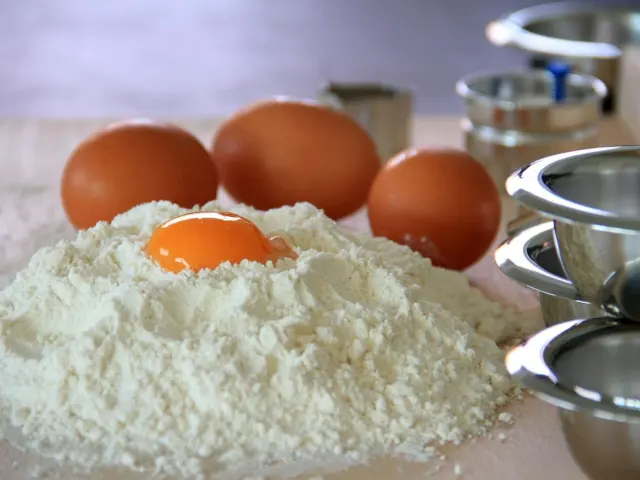
Flour is the biggest wildcard in the bowl. A packed cup can add 20-30% more flour than intended, according to Reluctant Gourmet. That is enough to turn a soft cake dry and heavy.
A few habits fix most measuring problems:
- Spoon flour into the cup, then level it off instead of scooping directly.
- Use liquid measuring cups for liquids and read them at eye level on a flat surface, because wet and dry cups do not give the same measurements.
- Use a kitchen scale when accuracy matters most.
The other half of measuring is preparation. Read the whole recipe before you start, then measure and organise everything so you are not hunting for an ingredient once the mixer is running.
How do you know your oven is telling the truth?
Your dial is a suggestion. Most home ovens are off by 10-50°F from their setting, as Reluctant Gourmet notes, so an oven thermometer is a cheap way to see what is really happening.
Test your oven once. Place a thermometer inside, set the oven to 350°F and track the temperature every 15 minutes for an hour, as that guide suggests. You will learn whether it runs hot, cold or unevenly.
- Preheat until the thermometer, not the beep, reaches the target temperature.
- Rotate pans halfway through baking for even heat exposure.
- Keep the door shut early in the bake, because opening it drops the temperature instantly.

Starting in an oven that has not come to temperature can also lead to poor rise and change the crumb, according to Fountain Avenue Kitchen.
Pan and timing mistakes
Overfilled pans overflow, bake unevenly or collapse in the middle. Fill cake pans only about ½ to ⅔ full unless the recipe says otherwise, as Reluctant Gourmet advises. Measuring the base of your tin also helps you confirm you are using the size the recipe expects.
Pan material matters too. Baked goods cook more quickly in dark coated pans than in light-coloured ones, and glass heats slowly but holds heat for longer. If you bake in glass or dark metal, Fountain Avenue Kitchen suggests lowering the oven temperature by 25°F to compensate.
The timer on the recipe is a guide, not a guarantee. Start checking for doneness 5-10 minutes before the suggested time, as Reluctant Gourmet recommends. Use a toothpick, colour and edges pulling away from the pan alongside the clock.
Runny mixes, such as a baked cheesecake, can leak from a springform tin. Line the tin with parchment or a large piece of foil, making sure the base is fully covered.
Mixing and ingredient mistakes
Mixing or beating too much makes the gluten in the flour tough and dense. That is a problem for cakes, and even more so for scones, soda bread and pastry, where a light hand gives the best texture. If pastry has been handled a lot, let it rest in the fridge for at least 30 minutes before baking, as lovefood advises.
Ingredient temperature matters as well. Butter that is far too soft can make a greasy cake, so leave it at room temperature for 20 minutes instead of using the microwave, per lovefood. Cold eggs and other fridge-cold ingredients can leave cookies tough, which is why how to make chocolate chip cookies is a good place to practise getting temperatures right.
If your batter curdles when you add eggs, add a tablespoon of flour between each egg. Once all the eggs are in, fold in the rest of the flour.
Swaps deserve care too. Baking powder and baking soda are both leaveners but chemically very different, so they are not interchangeable. If you are short of eggs, read up on egg substitutes for baking before you improvise.
Cooling and storage mistakes
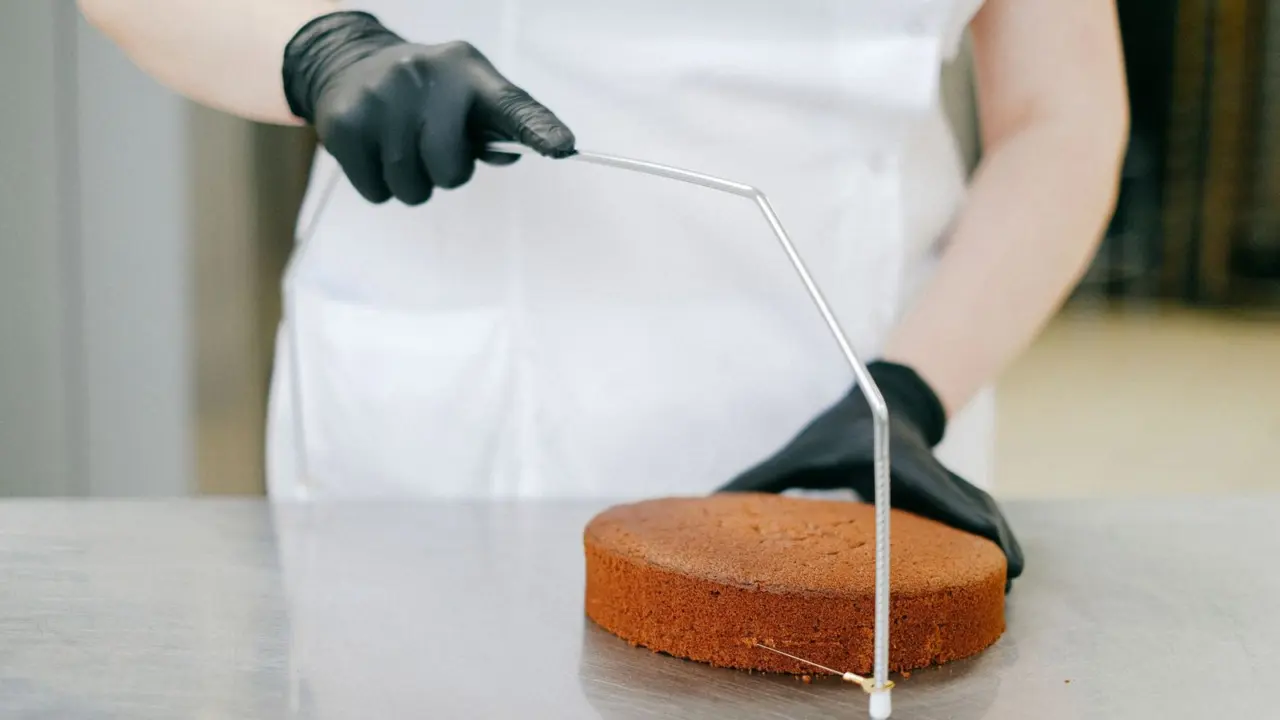
A bake that looks perfect can still be ruined after it leaves the oven. Cakes are more fragile when hot, so frosting them too early can cause crumbs, breakage and sliding icing. Cool them on a wire rack so air can move underneath and steam does not turn the base soggy.
Storing too soon causes trouble as well. Wait until a cake is completely cold to the touch before it goes into a tin, or condensation will make the surface sticky.
- Cool everything completely before storing it.
- Use airtight containers for cookies and cakes.
- Store bread in breathable wrapping to keep the crust texture.
- Keep quick breads and muffins on the counter for up to 3 days or freeze them, according to Fountain Avenue Kitchen.
If you see condensation on the container, wrap the bake well and move it to the fridge or freezer. Butter-based quick breads can seem dry after chilling because the fat hardens again, and gently warming them restores the softness.
Frequently asked questions
Why is my cake gummy in the middle?
Show answer
Common causes are too little baking time, an oven running too cool, or an overcrowded oven that traps humidity. Check doneness with a toothpick or a tap test rather than relying only on the timer, and make sure the oven is fully preheated.
Do I really need an oven thermometer?
Show answer
It is the easiest way to find out whether your oven matches its dial. Reluctant Gourmet notes that most home ovens are off by 10-50°F from their setting, so a thermometer can explain burnt edges or raw centres. You can read more in its baking mistakes guide.
Should I grease cake pans with butter?
Show answer
Non-stick vegetable oil spray or melted shortening works better than butter, because the milk solids in butter can act like glue. Parchment paper also helps with round, square and rectangular pans. This advice comes from Fountain Avenue Kitchen.
How long can muffins sit on the counter?
Show answer
Up to 3 days, or you can freeze them, according to Fountain Avenue Kitchen. If condensation forms on the container or wrapper, store them well wrapped in the fridge or freezer instead.