If your cakes come out dense, check your butter: room temperature butter for baking should feel cool, about 65 to 68°F, and hold a fingerprint without turning greasy. It’s a common slip, and an easy fix.
Butter temperature is a core skill in our guide to baking at home for beginners.
| Item | Value |
|---|---|
| Room temperature, as defined by one baking site | 68°F (20°C) |
| Thermometer range for ready butter | 65°F (18°C) to 68°F (20°C) |
| Butter melts at around | 90°F (32°C) |
| Typical time sitting out on the counter | About 1 to 2 hours |
| Quick method: cubed butter on a plate | About 10 to 15 minutes |
These figures come from Fresh April Flours (page updated December 30, 2025) and Chowhound (published Oct. 2, 2025). Figures can change, so check the source before you rely on them.
What room temperature butter really means
A recipe that asks for room temperature butter is not asking for butter that has gone soft and shiny. Fresh April Flours says room temperature has an actual definition, 68°F (20°C), and that butter at that temperature feels cool to the touch.
Many home bakers read “room temperature” as “very soft”, but the same site says very soft is actually way too warm. Dense cakes, greasy cupcakes, grainy frostings and cookies that turn into puddles are signs you may be softening your butter too much.
Chowhound describes the target as butter that is firm enough to hold its shape yet soft to the touch, typically about 65 to 68 degrees Fahrenheit. That advice came from Kristina Lavallee, owner of Florida’s The Cake Girl, a bakery known for its custom cakes and mini cupcakes.
For reading recipes, softened butter and room temperature butter mean the same thing, according to Fresh April Flours. If an author wants cold, melted or frozen butter, the recipe will say so.
Why butter temperature changes your bakes
Butter is a fat, and it can trap air while you cream it with sugar. That trapped air expands during baking, makes steam and leaves pockets that give fluffy cakes, smooth cheesecakes and light cupcakes, as Fresh April Flours explains.
Temperature decides how well that works. Chowhound quotes Lavallee on both extremes:
- Too cold: the butter doesn’t blend evenly, which can leave clumps in your batter.
- Too warm: the butter can’t hold air, so the cake can come out too dense.
- Just right: the butter, eggs and dairy form an emulsion that lets small pockets of air form.
Those air pockets then expand as the cake bakes, which is what gives it lift and texture, per the Chowhound Q&A.
Match your other ingredients
Recipes that call for room temperature butter often call for room temperature eggs, milk, yogurt, sour cream or cream cheese too. Fresh April Flours warns that if those ingredients are significantly colder than the butter, the butter solidifies again, which leads to clumping and deflated air.
How to bring butter to room temperature
There are a couple of reliable routes, and neither needs special equipment. Pick the one that fits how much time you have.
Let it sit out
The simple route is to leave butter on the counter for about 1 to 2 hours before you start, according to Fresh April Flours. The time depends on the weather, the humidity and how cool your kitchen is.
Keep it away from heat sources while it waits. The same site names a running dishwasher, a stove, a microwave, a coffee maker and an air fryer as places to avoid.
Cube it for a quick start
In a hurry, cut the butter into small cubes and lay them out on a plate. Lavallee told Chowhound that after around 10 to 15 minutes the butter should be almost at the perfect temperature.
The microwave can tempt you, but Chowhound warns it will likely melt the butter unevenly, destroy its structure and make it unusable for baking.
How do you know when butter is ready?
You don’t need to guess. Work through these checks until the butter passes each one:
- Press it with a finger. It should make an indent but not slip or slide around, and your finger shouldn’t go straight through.
- Look at the surface. It should look matte, not shiny, and shouldn’t leave grease marks where it sits.
- Feel it. It should feel cool, not warm at all.
- Try a butter knife. Lavallee says it should glide through with little resistance. If you have to force the knife, it’s too cold. If the knife sinks through with no pressure, it’s too warm.
- Use an instant-read thermometer. Fresh April Flours treats 65°F (18°C) to 68°F (20°C) as ready to use, and notes butter melts around 90°F (32°C).
The thermometer is the most accurate check, and the finger and knife tests are handy when you’re mid-recipe. Butter that fails any test needs a few more minutes, or a little less time, before you start creaming.
Keeping butter workable in a warm kitchen
Butter can start to melt almost instantly in summer heat. Timing is the main lever, according to Lavallee’s advice in the Chowhound piece.
- Don’t take the butter out too early before you’re ready to start.
- Prep away from a sunny window, because sunlight makes butter melt quickly.
- Keep the butter in a cool area of the kitchen.
- Chill your mixing bowl to buy a little more working time, as some bakers do.
Weather matters too. Fresh April Flours says the wait depends on the temperature, the humidity and how cool you keep your kitchen, so check the butter by touch rather than trusting the clock. Keep it clear of the stove, the microwave and any other appliance you’re using while it waits.
Summer heat is the real test. Chowhound notes that butter can wreck your cake plans in a matter of minutes once it starts to melt, so stay close to your bowl after the butter comes out.
Putting it into practice
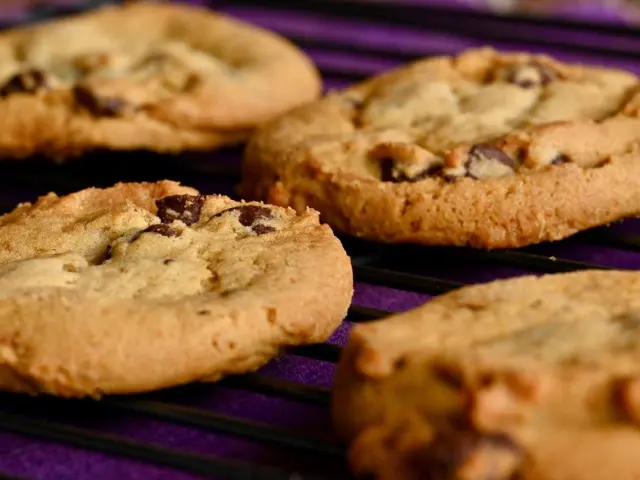
Cookie dough shows butter mistakes fast, since too-soft butter is a known cause of cookies that spread into puddles. Try the checks above the next time you follow a recipe for how to make chocolate chip cookies.
Butter is only part of the temperature picture. Your oven matters just as much, so it’s worth learning how to check oven temperature accuracy before you blame the recipe.
Frequently asked questions
Is room temperature butter the same as softened butter?
Show answer
For baking and recipe reading, yes, according to Fresh April Flours. A recipe that wants cold, melted or frozen butter will say so.
Can you soften butter in the microwave?
Show answer
It’s risky. Chowhound says the microwave will likely melt butter unevenly and destroy its structure, so cube the butter and let it sit instead.
How long does butter take to reach room temperature?
Show answer
On the counter, about 1 to 2 hours, depending on your kitchen, per Fresh April Flours. Cubed butter on a plate can be almost ready in around 10 to 15 minutes, according to Chowhound.
At what temperature does butter melt?
Show answer
Around 90°F (32°C), per Fresh April Flours. The closer butter gets to that point, the bigger the risk to your recipe.