Wondering how to make chocolate chip cookies that turn out the way you like? Cream room-temperature butter with both sugars, chill the dough, and pull the cookies while the centers still look soft.
This guide builds on baking at home for beginners, so start there if the oven is new to you.
| Item | Value |
|---|---|
| Minimum dough chill for evenly hydrated flour | 30 minutes |
| Freezer time for thicker, less crispy cookies | 30 to 60 minutes |
| Chill time for deeper flavor | At least 24 hours |
| Caramelization (brown tops) occurs | Above 356 degrees Fahrenheit |
| Leavening for a crispy edge with a soft center | 1/4 teaspoon baking powder and 1/4 teaspoon baking soda |
These figures come from Popular Science’s December 2025 explainer and NPR’s 2014 cookie-science guide. Figures can change, so check the source before you rely on them.
What each ingredient does in a cookie
Most recipes use the same short list, and the ratios change with the texture you want. That is the view of Dr. Lesa Tran, a chemistry professor at Rice University, quoted by Popular Science.
- Flour builds the framework. Its proteins form gluten, which gives height, body and chew, and bread flour makes a chewier cookie than cake flour.
- Salt balances the sugar, boosts the chocolate flavor and helps stabilize the protein networks.
- Baking soda releases carbon dioxide when it meets heat and an acid such as brown sugar, so the cookie rises.
- Butter melts and spreads the dough. Its fat coats flour proteins and slows gluten, which keeps cookies soft.
- Sugar attracts and holds water, so cookies stay moist and soft.
- Eggs do two jobs: more whites make taller cookies, and more yolks make fudgier ones.
- Chocolate chips hold their shape as they melt, which leaves gooey pockets instead of dissolving into the dough.
Many bakers blend bread flour and cake flour to balance chewiness with softness. Treat the list above as a set of dials rather than a rulebook.
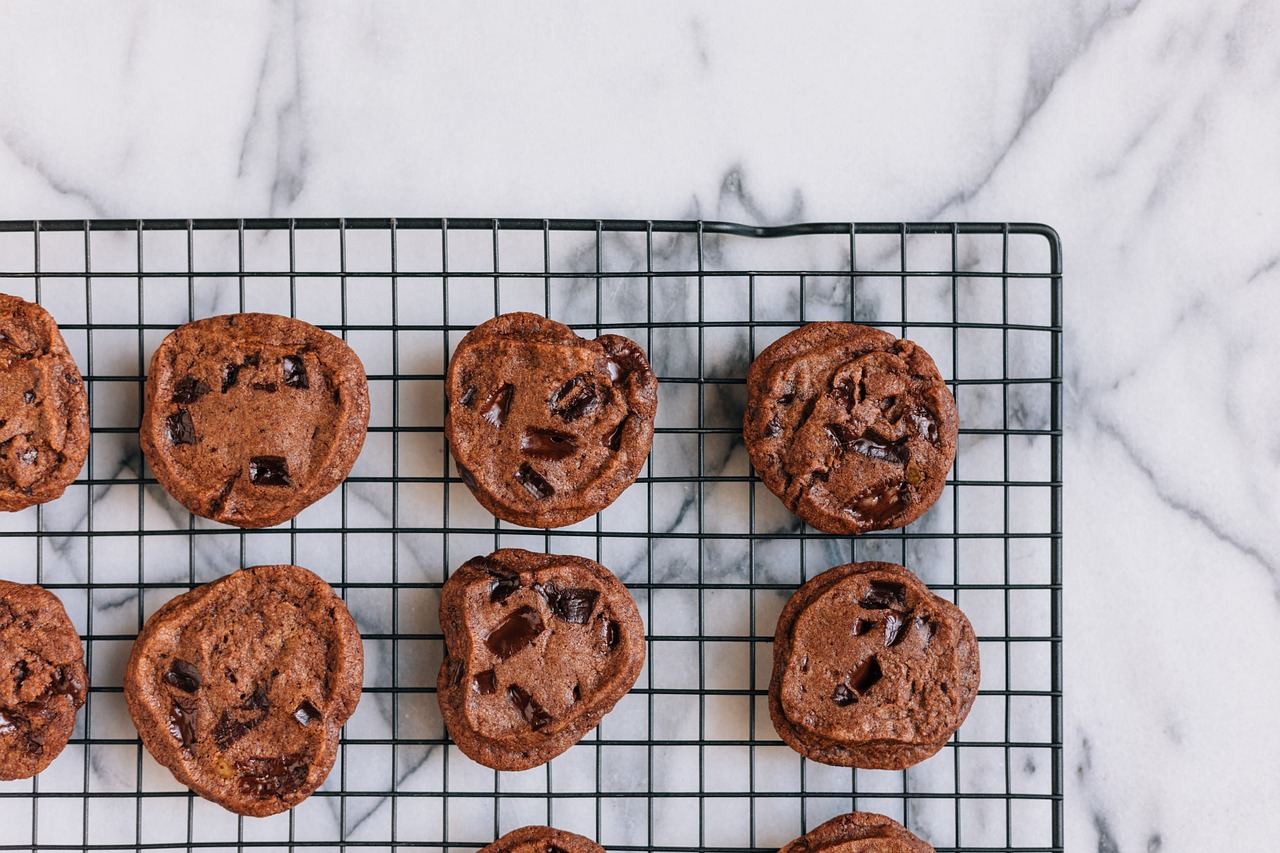
How to make chocolate chip cookies, step by step
Traditional recipes share one basic technique, as laid out in the Wekiva Culinary cookie-science guide. Use the amounts from a recipe you trust and follow this order.
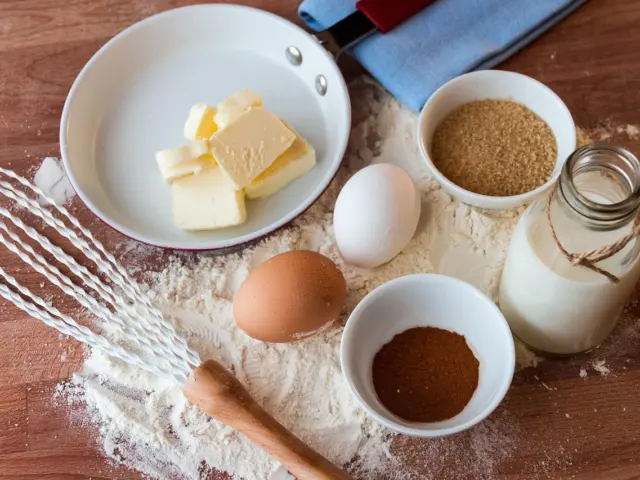
- Cream room-temperature butter with a mix of granulated and brown sugar and a touch of vanilla until fluffy.
- Beat in the eggs one at a time.
- Add sifted flour, salt and a leavening agent: baking soda, baking powder or a bit of both.
- Combine just until the dough comes together, folding in the chocolate.
- Chill the dough so the flour hydrates and the cookies spread less.
- Spoon the dough onto a baking sheet and bake.
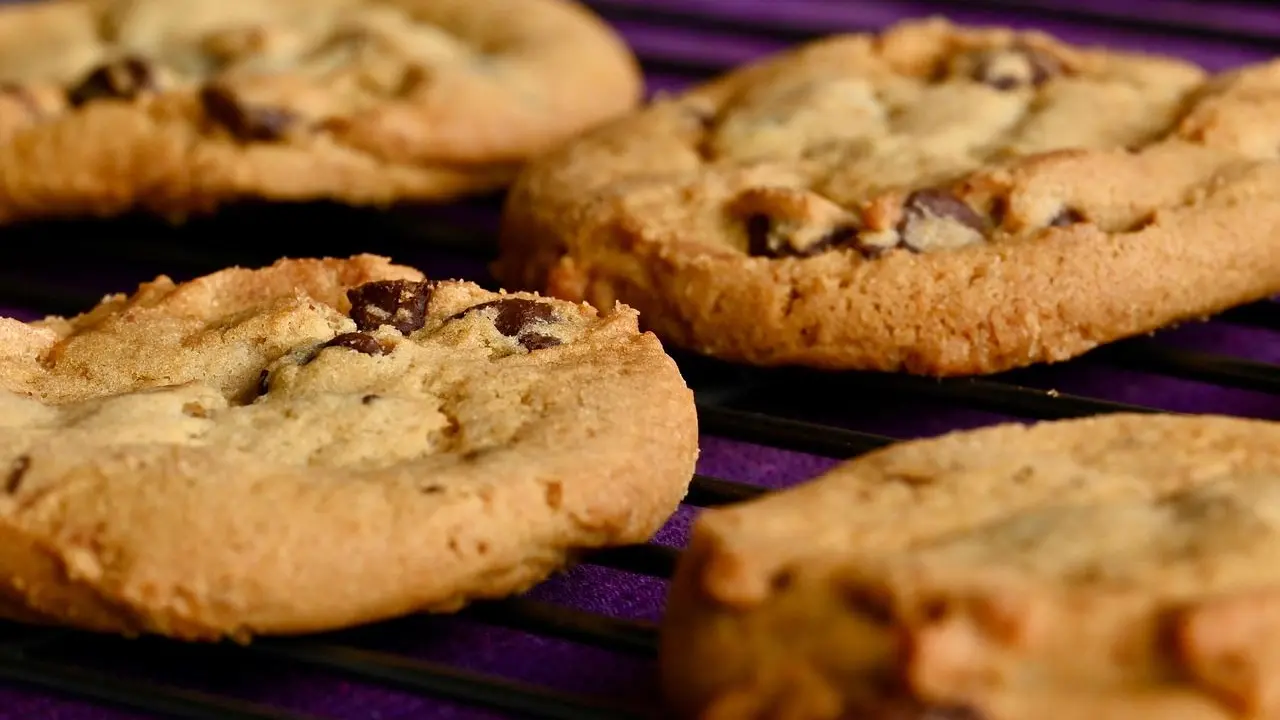
- Take the cookies out while the centers still look a little soft.
The method is simple, but the order matters. Creaming first builds air, and mixing flour only until it disappears keeps the cookies tender.
Why does butter temperature matter?
Room-temperature butter traps air when it is creamed with sugar, which gives you lighter, softer cookies. Melted butter cannot hold that air, so the dough stays denser and so do the cookies, according to Popular Science.
If you are unsure what “room temperature” should feel like, a separate guide to room temperature butter for baking walks through it.
The sugar mix works the same way. Brown sugar brings molasses, which adds deeper flavor, a darker color and a chewier texture, while white sugar gives crispier edges and more spread. Combine them and, in Tran’s words, you get “the best of both worlds,” as reported by Popular Science.
Chill the dough, then time the bake
Even 30 minutes of chilling lets the flour hydrate more evenly and the flavors develop, says Tran in Popular Science. Cold dough also spreads more slowly, which gives taller, thicker, chewier cookies.
If you have time, go longer. NPR reports that chilling for at least 24 hours deepens the flavors, and that freezing the batter for 30 to 60 minutes gives a thicker, less crispy cookie.
Cookies keep cooking from the residual heat after they leave the oven. Pull them when the centers look a little soft and you get a crispy exterior with a gooey center, per Popular Science.
What happens in the oven
The Wekiva Culinary guide breaks the bake into stages, which helps when you are watching the tray.
- Spread: as the butter warms, the dough loosens and flows outward.
- Edges set: thin edges are fully exposed to heat, so they set long before the center.
- Rise: melted butter frees water, which dissolves baking soda so it can react with acidic brown sugar.
- Set: egg proteins and hydrated starches firm up and fix the final shape.
- Browning: sugar caramelizes and the Maillard reaction adds nutty, toasted flavors.
- Cooling: liquid sugar hardens into a crisp edge while the center deflates slightly.
If a batch still goes wrong, a rundown of common baking mistakes can help you spot the cause.
Tweak the texture one change at a time
Tran suggests treating cookies like an experiment: change one variable at a time and take notes on the taste and texture, as Popular Science explains. The tips below come from NPR, which built them around one classic recipe, so treat them as starting points.
- Chewy: substitute bread flour for all-purpose flour.
- Crispy with a soft center: use 1/4 teaspoon baking powder and 1/4 teaspoon baking soda.
- Cakey: use more baking soda.
- Thick and less crispy: freeze the batter for 30 to 60 minutes before baking.
- Store-bought texture: trade butter for shortening, though this reduces some flavor, so the suggestion is half butter and half shortening.
- A nice tan: set the oven higher than 350 degrees Fahrenheit (maybe 360), since caramelization occurs above 356 degrees.
Change a single item per batch. If you swap flour and sugar together, you will not know which one made the difference.
Frequently asked questions
Should I use melted or room-temperature butter?
Show answer
Room-temperature butter traps air when creamed with sugar, so the cookies come out lighter and softer. Melted butter cannot hold that air, which gives denser cookies, according to Popular Science.
How long should I chill cookie dough?
Show answer
Even 30 minutes helps the flour hydrate and the flavors develop, per Popular Science. NPR reports that at least 24 hours deepens the flavor further.
When should I take the cookies out of the oven?
Show answer
Pull them when the centers look a little soft. They keep cooking from residual heat, which leaves a crispy outside and a gooey middle, according to Popular Science.
How do I make my cookies chewier?
Show answer
Swap bread flour in for all-purpose flour, as NPR suggests. Brown sugar also adds chew, and chilled dough spreads less, so the cookies stay thicker.