Want easy cake and dessert recipes that actually work? Start with room-temperature ingredients, a well-creamed batter and a thermometer to tell you when the bake is done. Get those habits right and most cakes and sweets turn out.
| Key fact | Value |
|---|---|
| Room-temperature eggs, when a recipe asks for them | 68°F to 70°F |
| Finished cake or cupcakes, center of the bake | 205°F to 209°F (93°C to 98°C) |
| Finished pound cake | 210°F to 212°F (99°C to 100°C) |
| Cheesecake cracks if the center rises beyond | 160°F (71°C) |
| Suggested cheesecake pull temperature, at the center | 150°F (65°C) |
| Custard pie or crème brûlée, internal temperature | 170°F to 175°F (76°C to 79°C) |
The temperatures come from ChefsTemp’s baked goods internal temperature chart and King Arthur Baking’s post on room-temperature eggs. Figures can change, so check the source before you rely on them.
What makes easy cake and dessert recipes work
Easy does not mean careless. The simplest recipes are the ones where you control a few things well, and the rest takes care of itself.
Almost every cake or dessert problem traces back to one of three controls. Learn to spot which one went wrong and you can fix the next bake instead of starting from a new recipe.
- Temperature of the ingredients: butter, eggs and milk that are the right temperature mix into a smooth, stable batter.
- How you mix: creaming, folding and alternating wet and dry ingredients each do a different job.
- How you judge doneness: the color of the crust and a clean toothpick help, but an internal temperature reading removes the guesswork.
A handy pattern to know is the 1-2-3-4 rule. ChefsTemp describes it as a ratio for classic American pound cakes and yellow butter cakes: 1 cup of butter, 2 cups of sugar, 3 cups of flour and 4 eggs, usually combined with milk and a leavener.
The same page says the batter is versatile, so you can add vanilla, citrus zest or spices to customize it. Treat it as a way to understand how a butter cake is balanced, and follow your own recipe’s measurements when you bake.
Oven temperature matters too. ChefsTemp calls 180°C, which is 350°F, one of the most recommended oven settings and a standard for moderate heat. Your recipe may ask for something different, and your oven may run hotter or cooler than its dial, so use the recipe as your guide.
If you are brand new to the kitchen, our page on baking at home for beginners covers the equipment and habits that make every dessert in this guide easier.
How does the creaming method build a light cake?
Many classic cakes start with the same direction: cream the softened butter and sugar until light and fluffy. It sounds simple, but it sets the structure of the whole cake.
King Arthur Baking’s April 2015 guide explains that you are using the sugar to aerate the butter and fill it with bubbles. Those bubbles capture the gasses released by your leavener, which is usually baking soda, baking powder or both.
The payoff is texture. According to the same guide, the more fine bubbles you have in your network, the lighter your cakes will be and the finer the crumb. It also says the same technique keeps cookies light and crisp instead of hard and dense.
Why the eggs go in gradually
Eggs are the next step in building that foundation. King Arthur Baking’s January 2022 post explains that the egg whites add water, which combines with the sugar to create a syrup that fixes itself in suspension around the air bubbles and traps them.
That is why a recipe tells you to add eggs slowly. Dump in cold eggs all at once and the mixture can look curdled rather than smooth, which means you have lost some of the air you just worked in.
Do your eggs really need to be at room temperature?
If the recipe says so, yes. The same post says that a room-temperature egg is one at 68°F to 70°F, and that you should still store eggs in the fridge, then take out the number you need and bring them to room temperature before baking.
It adds that if a recipe does not specify a temperature, cold or room-temperature eggs are typically fine. A quick way to remember it: follow the recipe’s wording, because a creamed cake depends on it more than a simple stirred batter does.
The creaming method, step by step
- Take the butter, eggs and any milk out ahead of time so they are at the temperature the recipe asks for.
- Beat the softened butter and sugar until the mixture looks pale and fluffy.
- Add the eggs gradually, mixing until each is absorbed before adding the next.
- Add the dry ingredients and the liquid in alternating batches, as described below.
- Stop mixing as soon as the batter is smooth, then scrape it into the prepared pan.
On the alternating step, the book Baker Bettie’s Better Baking Book by Kristin Hoffman, published in 2022, gives clear direction in its section on the creaming method for cakes. Cakes need much more liquid than cookies, and the method typically calls for three stages of dry ingredients and two stages of liquid ingredients, starting and ending with the dry ingredients.
The reason is that adding liquid too quickly can make the creamed mixture break. According to the same section, that results in a denser cake.
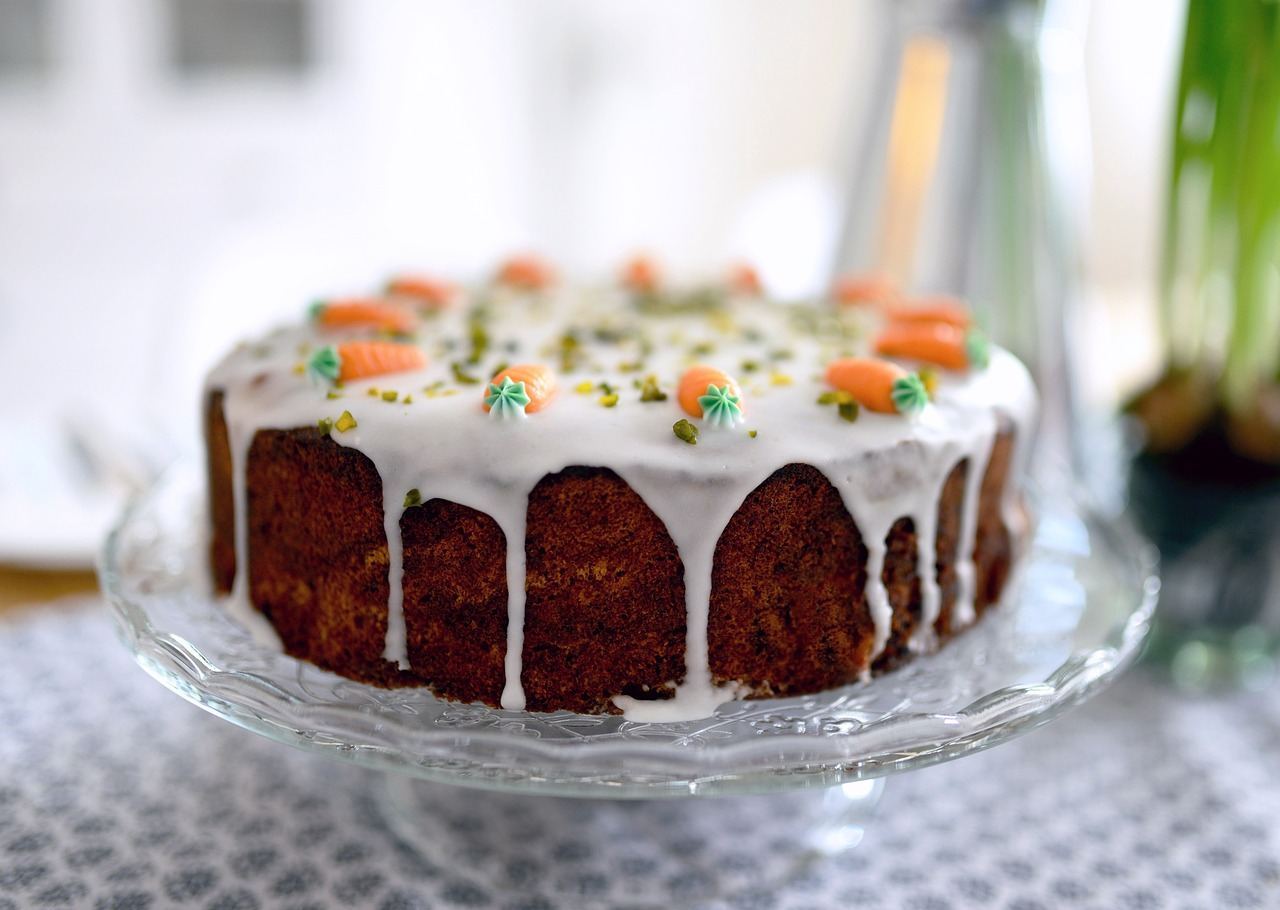
Baking, testing and finishing a layer cake
With a well-mixed batter in the pan, the next job is knowing when to stop baking. A cake that is underdone sinks and turns gummy, while one that goes too long turns dry.
A thermometer takes the guesswork out. ChefsTemp’s chart lists 205°F to 209°F (93°C to 98°C) for cakes and cupcakes, and says to insert the thermometer in the center of the cake.
The same chart notes that the cooking process continues even after you remove the cake from the oven. Plan for a little carryover when you pull a bake out, and let it cool as your recipe directs before you cut or frost it.
Using a thermometer on a cake
A thermometer is not only for roasts and grilling. ChefsTemp makes the case that checking baked goods matters as much as checking meat, and its cake entry gives you a clear target of 205°F to 209°F (93°C to 98°C), measured by inserting the thermometer in the center of the cake.
That reading is the finish line for the work you did earlier. The air bubbles you built by creaming, and the egg-and-sugar syrup that holds them in place, need enough heat to set into a crumb. A cake pulled too early has not finished setting, which is one of the reasons a center can sink.
Here is a simple routine you can repeat every time a layer comes out of the oven.
- Look up the range for the type of cake you baked, because a pound cake finishes hotter than an upside-down cake.
- Slide the thermometer into the center of the cake, away from the pan.
- If the reading is below the range, return the cake to the oven and check again soon.
- Keep carryover in mind when a reading is near the top of the range, since the cake keeps cooking after it leaves the oven.
- Write the reading in your notes, along with how the crumb turned out.
After a few bakes, those notes tell you how your own oven behaves. You will start to see whether your cakes finish early, late or right on schedule, and you can adjust the next recipe to match.
Internal temperatures for common cakes
Different cakes finish at different temperatures, so match your reading to the type of cake you baked rather than to a single number.
| Cake | Internal temperature |
|---|---|
| Cakes and cupcakes | 205°F to 209°F (93°C to 98°C) |
| Carrot cake | 205°F to 209°F (93°C to 98°C) |
| Devil’s food and red velvet cake | 205°F (93°C) |
| Pound cake | 210°F to 212°F (99°C to 100°C) |
| Upside-down cakes | 190°F to 200°F (88°C to 93°C) |
These ranges come from the ChefsTemp baked goods chart. Figures can change, so check the source before you rely on them, and use them alongside your recipe’s own timing, not instead of it.
Where to go from here
If you want a plain, reliable base to practice on, read about how to make vanilla cake from scratch, which puts the creaming method into a complete recipe.
When a cake collapses, the guide on why does my cake sink in the middle walks through the usual suspects, and the temperature habits above are the first things to check.
Once the layers are cool, a good buttercream frosting recipe makes the finish simple. For tidy, even tiers, our walkthrough on how to level and layer a cake shows the stacking technique.
It helps to see how these steps connect. Room-temperature eggs and butter give you a smooth, airy batter, careful mixing keeps that air in, and a thermometer reading tells you the crumb has set. If a cake disappoints, work backward through the same chain and ask which link was weakest.
That habit turns a failed cake into useful information. A dense crumb points you toward the creaming and the way liquid went in, while a cake that looks done but sags points you toward doneness. Fixing one link at a time is far easier than changing everything at once.
Cheesecake and custard without the drama
Set desserts are gentler than cakes. They rely on eggs to thicken, so the goal is to cook them just until they set and no further.
Many baked goods contain eggs, and ChefsTemp points out that eggs can harbor harmful bacteria. The same page says that even baked goods without eggs benefit from a temperature check, to ensure that the pastry gets fully cooked.
Why cheesecake cracks
Overbaking is the common culprit. According to ChefsTemp, when the internal temperature of a cheesecake rises beyond 160°F (71°C) while baking, it will crack.
Its advice is to take the cheesecake out of the oven when the center reaches 150°F (65°C), which avoids overbaking. If cracks have wrecked your last few attempts, our page on how to make cheesecake without cracks goes deeper into the method.
Reading custards by temperature and wobble
Custards give you two signals: the thermometer and the jiggle. The ChefsTemp chart lists custard pie and cream pies at 170°F to 175°F (76°C to 79°C), and says to bake until the custard has set around the edges but jiggles slightly in the center.
It also gives temperatures for several other egg-based desserts, and says to insert the thermometer in the centers of puddings and custards.
- Crème brûlée: 170°F to 175°F (76°C to 79°C)
- Flan: 170°F to 175°F (76°C to 79°C)
- Baked custard, old-fashioned: 160°F (71°C)
- Bread pudding: 160°F (71°C)
For stovetop and baked versions alike, a calm approach pays off. Our guide on how to make custard shows how to keep the eggs smooth rather than scrambled.
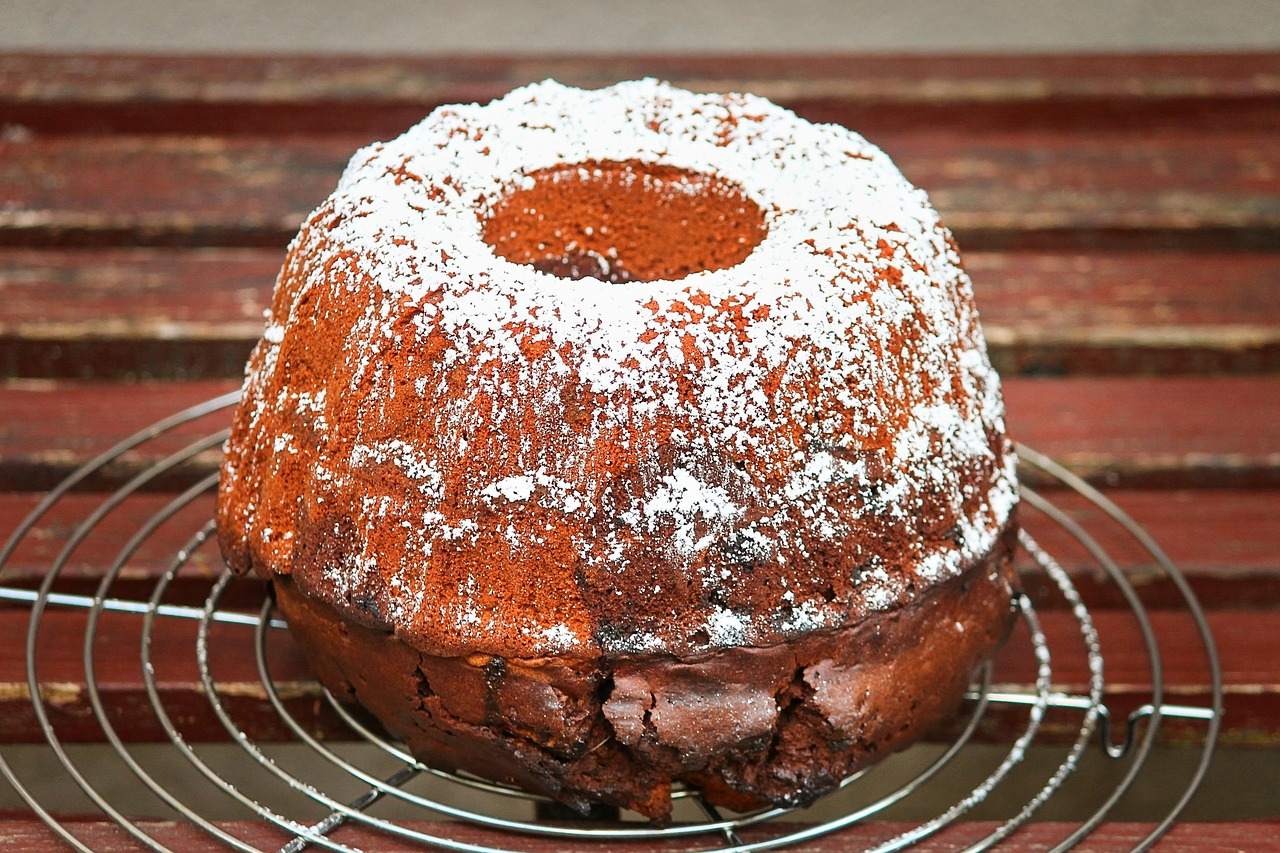
Brownies, pies and other everyday sweets
Not every dessert needs a mixer or a layer pan. Brownies, fruit pies and simple tarts are some of the most forgiving ways to bake something sweet.
If you like a dense, moist square, start with how to make fudgy brownies. Brownies are a good place to practice judging doneness by look and feel before you reach for a thermometer.
Pie fillings and when they are done
Pies reward a thermometer too. ChefsTemp lists fruit pies and pumpkin pie at 175°F (79°C), and pecan pie at 200°F (93°C), and says to insert the thermometer a couple of inches in from the edge of the pie.
For fruit pies, the same page says they should be juicy and bubbling all over, especially in the center. The pie needs to bubble if it contains a starch thickener, because otherwise the starch is not going to thicken.
The crust is half the pie. Our guide on how to make pie crust covers the dough, so your filling has something sturdy and tender to sit in.
A short list of easy wins
- A simple butter cake, creamed well and baked until it passes the thermometer test.
- Brownies, which forgive small measuring mistakes better than delicate cakes.
- A fruit pie with a pre-made or practiced crust, baked until the filling bubbles in the middle.
- A baked custard, cooked gently until the center only just jiggles.
Each of these uses one or two techniques from this guide, so every bake teaches you something you can reuse on the next one.
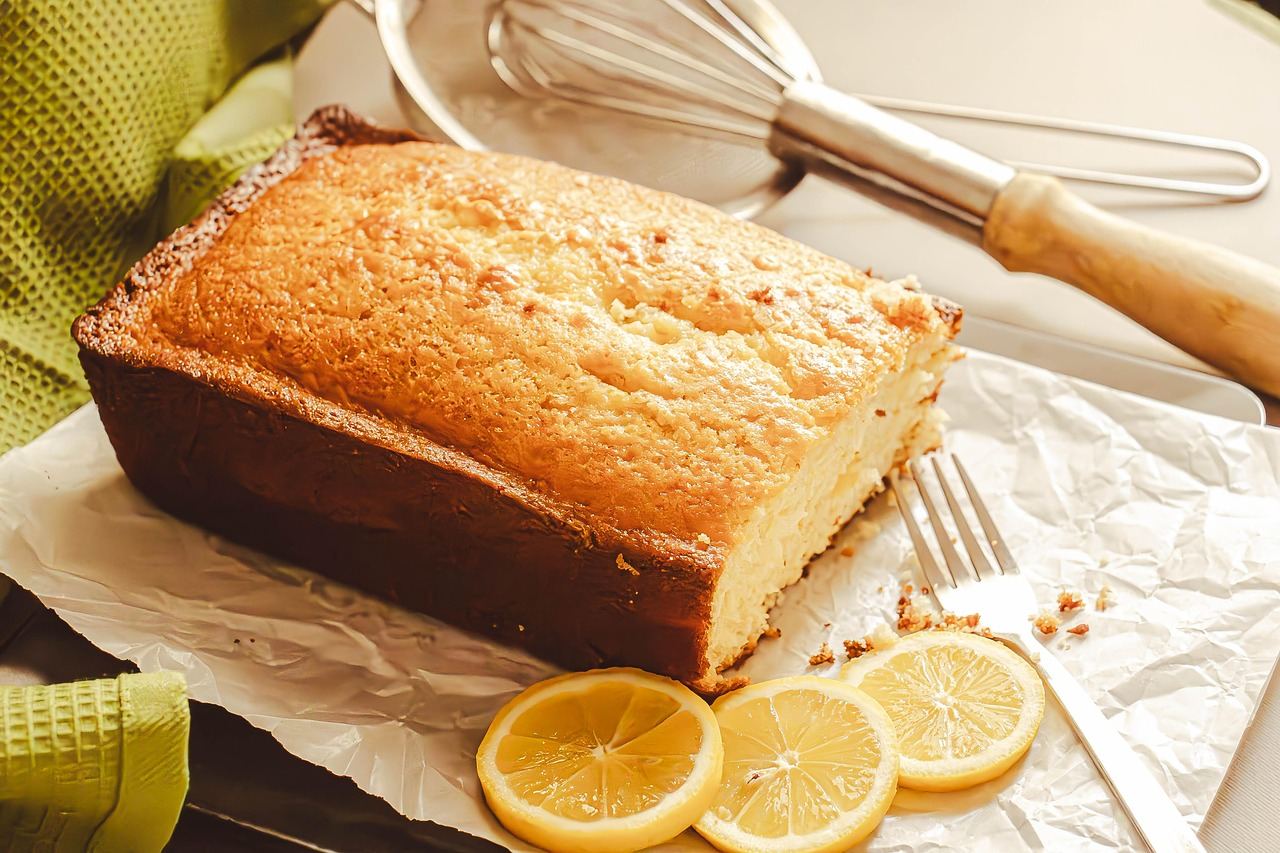
Building a dessert routine you can repeat
Consistent results come from repeating a few good habits, not from chasing a new recipe each week. A short routine before every bake makes the difference.
- Read the recipe all the way through and note any temperature instructions.
- Set out butter, eggs and liquids so they reach the right temperature before you start.
- Mix in the order the recipe gives, and stop as soon as the batter comes together.
- Check doneness with a thermometer in the center, and write the reading in your notes.
- Cool the bake as directed before you slice, frost or fill it.
Keeping notes pays off fast. Write down what the oven did, how the crumb turned out and what you would change, and your next attempt starts from a better place.
Desserts and bread share many of the same skills, from temperature control to patience with dough and batter. When you want to branch out, our bread and pastry baking guide picks up where this one leaves off.
Frequently asked questions
Do eggs in a cake really need to be at room temperature?
Show answer
If the recipe calls for room-temperature eggs, yes. King Arthur Baking puts that at 68°F to 70°F, and says that when a recipe does not specify a temperature, cold or room-temperature eggs are typically fine.
Why is my cake dense?
Show answer
One possible cause is liquid added too quickly during the creaming method. According to Baker Bettie’s Better Baking Book, that can break the creamed mixture and result in a denser cake, which is why dry and liquid ingredients are added in alternating stages.
How can I tell when a cake is done?
Show answer
Use a thermometer in the center of the cake. ChefsTemp’s chart lists 205°F to 209°F (93°C to 98°C) for cakes and cupcakes, and 210°F to 212°F (99°C to 100°C) for pound cake.
Why does my cheesecake crack?
Show answer
It is often overbaked. ChefsTemp says a cheesecake that rises beyond 160°F (71°C) while baking will crack, and suggests taking it out at 150°F (65°C) at the center.